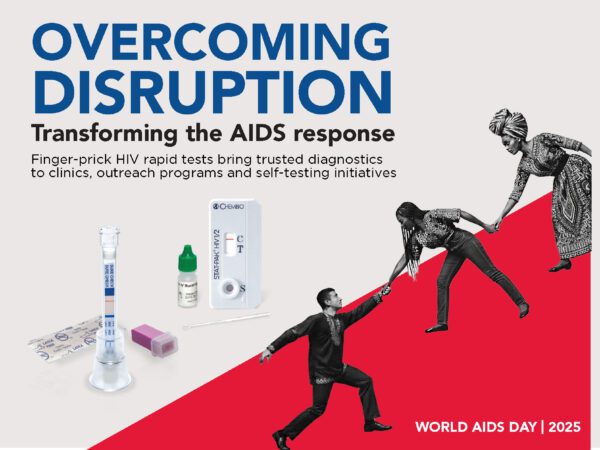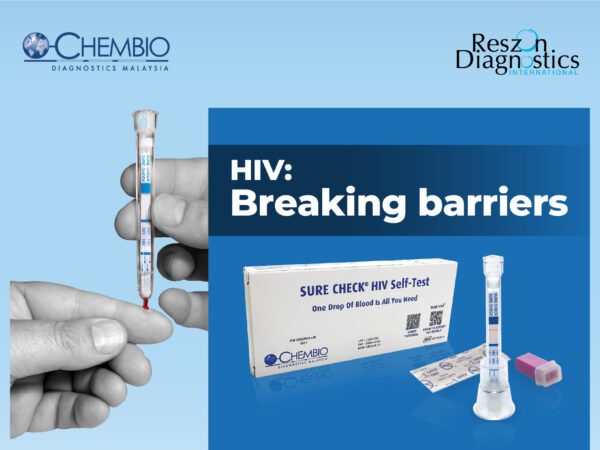
World AIDS Day, observed every 1 December, is a global reminder of the ongoing fight against HIV and AIDS, and the collective responsibility to eliminate stigma. Despite decades of scientific advancement, misinformation continues to hinder prevention, testing, and treatment efforts.
In conjunction with World AIDS Day 2025, this article breaks down some of the most persistent myths about HIV and AIDS and presents the scientific facts that healthcare professionals and the general public need to know.
Myth 1: “HIV and AIDS are the same thing”
Fact: HIV and AIDS aren’t the same.
Being HIV infected just means that the human immunodeficiency virus is living in the body. However, having AIDS (acquired immunodeficiency syndrome) is what happens to someone after years of having HIV inside their body.
Myth 2: “Everyone with HIV will eventually develop AIDS.”
Fact: AIDS is preventable with early diagnosis and treatment.
A person with HIV will only progress to AIDS if the virus is left untreated.
Myth 3: “HIV is a death sentence.”
Fact: With effective treatment, HIV is now a manageable chronic condition.
Before advances in HIV treatment, someone diagnosed with HIV in the 1980s and early 1990s may have only been given a few years to live. With the current antiretroviral treatment (ART), most people do not get AIDS. They live long, healthy lives. Many patients may only have to take as little as one pill once a day, and there’s even a once per month injection that also works well. When treatment is consistent, viral load suppression prevents disease progression and significantly improves life expectancy.
Myth 4: “You can get HIV through casual contact or mosquitoes.”
Fact: HIV cannot be transmitted through everyday social contact or even mosquito bite. HIV isn’t spread through touch, tears, sweat, saliva, urine or faeces (poo).
Hugging, kissing, shaking hands, sharing eating utensils, using exercise equipment at gym, touching toilet seat and door handle, or being bitten by mosquitoes does not transmit HIV. The virus is spread only through specific bodily fluids such as blood, semen, vaginal fluids, rectal fluids and breast milk.
Myth 5: “Only certain groups of people get HIV.”
Fact: Anyone can get HIV — the virus does not discriminate.
HIV transmission depends on behaviours, not identity. HIV is most commonly passed from one person to another through anal or vaginal sex, and by sharing needles or drug works. In addition, a mother can pass HIV to her baby during pregnancy, during labor, or through breastfeeding.
Myth 6: “Birth control can protect against HIV.”
Fact: Oral contraceptives and IUD prevent pregnancy, not HIV.
With the exception of condoms, most birth control methods such as oral contraceptives and intrauterine device (IUD) prevent only pregnancy, not HIV or other sexually transmitted infections.
Pre-Exposure Prophylaxis, known as PrEP, is a HIV prevention pill taken by HIV-negative people before and after sex that reduces the risk of getting HIV. Taking PrEP before being exposed to HIV means there’s enough drug inside you to block HIV if it gets into your body. PrEP is the best HIV prevention option currently available, offering over 95% protection to HIV negative individuals. Condoms, and to a lesser extent finger cots and dental dams, also help prevent the spread of HIV but aren’t as effective as PrEP.
Myth 7: “If I already have HIV and my partner does too, we can have unprotected sex.”
Fact: Protection is still important.
There are many different strains of HIV, and some respond better to treatment than others. In fact, many strains now are showing more resistance to the drugs we rely on to treat HIV. A person with HIV can contract additional, more severe strains of HIV from another infected person. Condoms and other protective measures reduce risks of superinfection (contracting another HIV strain) and help prevent other sexually transmitted infections.
Myth 8: “I could tell if my partner was HIV-positive.”
Fact: Most people with HIV show no visible symptoms, especially in the early stages.
The only reliable way to know your partner’s HIV status is to get tested. Relying on appearance leads to false assumptions and increases the risk of undiagnosed infections.
Myth 9: “Women with HIV will always pass the virus to their babies.”
Fact: Mother-to-child transmission can be reduced with effective treatment.
You can have children if you are living with HIV and if you are on effective treatment with an undetectable viral load – the risk of HIV being passed on to the baby is just 0.1%. Pregnant people who are living with HIV should continue treatment or medications as recommended.
Myth 10: “Antiretroviral drugs will cure my HIV.”
Fact: There is currently no cure for HIV.
Antiretroviral drugs help control reproduction of the virus and slow the progression of the disease. But they are not a cure for HIV. Remember: It’s important to take your HIV medicines exactly as your doctor tells you. If you don’t, your viral load may go up. In addition, the virus may become resistant, and your medicines could stop working
How to Support the HIV Response in 2025
✔ Get tested — Know your HIV status.
✔ Encourage others to seek testing without fear or stigma.
✔ Share accurate information to counter misinformation.
✔ Support access to self-testing and professional screening.
✔ Stand with people living with HIV — stigma kills, knowledge saves lives.
As we observe World AIDS Day 2025, combating misinformation is one of the most powerful steps we can take to strengthen prevention efforts and move closer to ending AIDS as a public health threat.
Disclaimer:
This content is intended for educational and informational purposes only and should not be considered medical advice or a substitute for professional healthcare services. The information provided should not be used for diagnosing or treating a health problem or disease. Individuals seeking personal medical advice should always consult a licensed physician or qualified healthcare provider. Always seek the advice of your doctor or another qualified health provider regarding a medical condition.
References
- Eric Rosenberg (2024) Myths and Truths About HIV and AIDS. Mass General Brigham. Accessed 21 Nov 2025.
- Tamar Tchelidze and Benjamin LaBrot (2024) Debunking Thirteen Common HIV Myths. Roche Diagnostics. Accessed 21 Nov 2025.
- American Academy of HIV Medicine (AAHIVM) & CDC (2015) Separating Facts from Fiction. Accessed 21 Nov 2025
- Rachel Nall (2023) HIV and AIDS Myths and Facts. Medical News Today. Accessed 21 Nov 2025.
- Mia Malan (n.d.) Facts and Myths on HIV/AIDS. AIDS Foundation South Africa. Accessed 21 Nov 2025.
- Medilink International (2023) 11 Common Myths About HIV and AIDS-Let’s Erase This Stigma. Accessed 21 Nov 2025.
- Terrence Higgins Trust (THT) (2023) Myths About HIV. Accessed 21 Nov 2025.